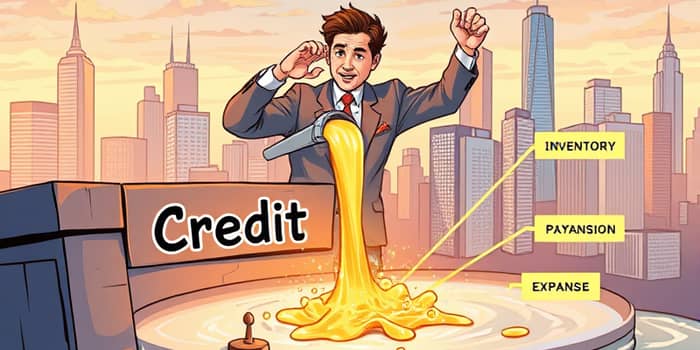
In today’s fast-paced business landscape, access to timely capital can make the difference between stagnation and exponential growth. Credit lines offer a lifeline to companies seeking to navigate cash flow challenges, seize strategic opportunities, and maintain financial resilience.
This article explores the core mechanisms and best practices for managing credit lines effectively, ensuring that your business remains agile, solvent, and prepared for whatever the market throws at it.
Definition and Types of Credit Lines
A credit line is essentially a pre-approved, flexible borrowing limit that allows businesses to draw, repay, and redraw funds. Unlike term loans, credit lines charge interest only on the amount used, providing an adjustable safety net.
- Secured Lines: Backed by collateral such as real estate, equipment, or inventory. Typically offers higher credit limits and lower rates.
- Unsecured Lines: No collateral required; faster approval but comes with stricter qualification criteria and higher interest rates.
- Securities-Based Lines: Borrow against investment portfolios without selling assets, helping avoid capital gains taxes.
- Revenue-Based Lines: Credit limits and repayments tied to revenue inflows, ideal for businesses with variable income.
Core Benefits of Credit Lines for Liquidity
Credit lines serve as powerful tools for managing working capital:
- Access funds when needed: No repeated loan applications for each draw.
- Interest on utilized balance: Pay only for what you borrow, not the full limit.
- Continuous availability: Draw, repay, and redraw funds seamlessly over time.
- Operational safety net: Bridge gaps from late receivables or unexpected expenses.
With US small businesses averaging over $17,500 in outstanding invoices, having a flexible credit line can prevent cash crunches and keep payrolls smooth.
Interest Rates, Terms, and Fees
Business credit lines typically carry rates from 4% to 15%, influenced by creditworthiness, collateral, and market factors. Maintaining a utilization rate below 30–40% and making timely payments can enhance your credit profile and reduce future costs.
Additional charges may include annual maintenance fees, draw fees, or minimal origination fees. Securities-based lines often feature lower interest rates for qualified borrowers, thanks to the collateral value of investment portfolios.
Strategic Use Cases and Scenarios
Executing the right strategy can transform a credit line from a mere safety net into a value-adding asset:
- Inventory Management: Stock up before peak seasons and repay as sales occur.
- Payroll Bridging: Cover wage expenses when receivables lag.
- Equipment Purchases: Fund urgent repairs or new machinery without resorting to high-cost loans.
- Growth Opportunities: Seize discounted assets or enter new markets swiftly.
Responsible Credit Line Management Strategies
Like any financial tool, credit lines demand disciplined oversight:
First, integrate credit lines into a broader liquidity plan. Map out when and how they will supplement cash flow or fund strategic initiatives.
Next, prioritize low utilization. Keeping borrowings under 30–40% of your limit preserves credit scores and maintains negotiation leverage for better terms.
Automate repayments to avoid late fees and missed due dates. Schedule draws strategically for short-term needs rather than long-term funding or recurring deficits.
Finally, consistent, responsible use builds creditworthiness over time, unlocking higher limits and lower rates in future negotiations.
Risks and Limitations
Credit lines carry their share of potential pitfalls:
- Overreliance: Treating the line as operating capital can lead to unsustainable debt levels.
- Penalty Rates: High utilization or missed payments often trigger rate hikes and credit score damage.
- Margin Calls: Securities-based lines may require asset liquidation during market downturns.
Advanced Insights: Private Credit and Investment Context
In private credit strategies, deploying capital through credit structures—including lines of credit—can outperform traditional direct lending in buoyant markets. Sophisticated investors often blend liquidity and yield by offering tailored credit facilities to high-growth companies.
Market Trends and Anecdotes
Non-bank and fintech lenders now serve 75% of small businesses seeking flexible credit solutions, highlighting a major shift in how companies secure liquidity. As cash flow mismatches become more common, leveraging credit lines has evolved from a luxury to a necessity for competitive survival.
Additional Strategic Tips
Regularly review your credit line terms and conditions to align with evolving business needs. Use these facilities primarily as an emergency buffer, prioritizing internal reserves first. Finally, ensure your credit line strategy complements other financing channels, such as term loans, equity investments, and reserve policies.
References
- https://www.nationalbusinesscapital.com/blog/9-must-know-benefits-of-an-operating-line-of-credit/
- https://www.fundwell.com/blog/business-line-of-credit-benefits
- https://www.pnc.com/insights/small-business/manage-business-finances/understanding-small-business-line-of-credit.html
- https://www.schwab.com/learn/story/what-is-securities-based-lending
- https://www.cambridgeassociates.com/insight/private-credit-strategies-introduction/
- https://snabfinance.com/what-is-a-credit-line/
- https://reilcap.com/how-to-use-a-credit-line-responsibly-to-build-financial-health/