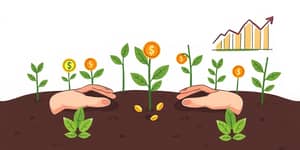
When asset values climb and households feel wealthier, spending patterns transform, economies hum, and personal dreams become attainable. Understanding this dynamic—known as the wealth effect—empowers you to navigate prosperity with purpose.
Understanding the Wealth Effect
The wealth effect describes how perceived increases in portfolio value or actual gains in stocks and real estate fuel consumer confidence. As home prices rise and equity grows, people often feel comfortable spending more on everyday goods and big-ticket items alike.
In macroeconomics, rising household wealth shifts the IS curve rightward, boosting aggregate demand and stimulating growth. Conversely, declining asset values can trigger cutbacks, higher savings rates, and a slowdown in economic activity.
Mechanisms Driving Spending Behavior
Several channels explain why changes in wealth translate into altered consumption habits:
- Perceived versus actual wealth: Emotional reactions to stock market rallies or home value surges often spur spending without liquidating assets.
- Primary asset influences: Housing wealth and financial assets like stocks or bonds provide collateral for borrowing or dividend income.
- Marginal Propensity to Consume: Lower-income households spend a higher fraction of each dollar gained, while the very wealthy allocate gains to savings or investments.
Evidence in Numbers and Trends
Data illustrate the scale of the wealth effect in recent years. In Q3 2024, US household net worth reached $169 trillion, driven by robust housing markets and stock gains. Consumer spending accounts for roughly 70% of GDP, making wealth fluctuations a powerful lever for economic growth.
Key statistics include:
These figures underscore how even modest percentage shifts in net worth ripple through consumer budgets and the broader economy.
Impact on Personal Decisions
At the individual level, rising wealth often leads to greater spending on durables—new cars, home renovations, or educational pursuits. People may upgrade from fast-food meals to dining out at finer restaurants and from public transport to personal vehicles.
Yet caution is warranted. Volatile stock markets can spark overconfidence during rallies and sharp retrenchment during downturns. Those who rely heavily on home equity may face constraints if housing values plateau or decline.
- Balance discretionary spending with emergency reserves.
- Consider diversifying assets to smooth out market swings.
- Use windfalls—bonuses or equity gains—for targeted goals, not impulse purchases.
Macro Implications and Policy Considerations
Policymakers monitor the wealth effect to gauge consumer sentiment and forecast economic cycles. Stimulating asset markets through interest rate cuts can amplify spending, but risks creating asset bubbles.
Concentration of wealth in top earners means that higher-income households can sustain travel, dining, and luxury purchases even when lower earners retrench. A potential 20% stock market decline could shave one percentage point off GDP growth, illustrating the economy’s sensitivity to asset swings.
- Encourage broad-based homeownership to spread benefits.
- Support financial literacy so households understand borrowing risks.
- Monitor credit growth tied to asset collateral for overheating signals.
Harnessing the Wealth Effect in Your Life
To leverage prosperity responsibly, adopt strategies that align spending with long-term goals rather than short-term euphoria:
- Automate savings: Direct a portion of gains into retirement or emergency accounts.
- Set clear priorities: Allocate luxury spending budgets to avoid overshoot.
- Review debt levels: Use home equity or low-interest loans sparingly.
- Maintain diversification: Balance real estate, equities, and fixed income.
Regularly reassess your financial plan as markets fluctuate, anchoring decisions in realistic assumptions rather than headline-driven optimism.
Conclusion: Balancing Benefits and Risks
The wealth effect wields remarkable power to shape individual lifestyles and national prosperity. Recognizing its mechanisms—how perceptions and real gains drive spending—helps you make informed choices in both booms and busts.
By combining disciplined saving, prudent investment, and mindful spending, you can turn rising wealth into sustainable growth, personal fulfillment, and resilience against future downturns. Embrace the opportunities the wealth effect offers, while remaining prepared for the inevitable cycles of change.
References
- https://fiveable.me/key-terms/principles-econ/wealth-effect
- https://www.sageviewadvisory.com/blog/spending-gap-how-wealthy-consumers-are-propping-up-the-economy
- https://www.economicshelp.org/blog/140745/economics/the-wealth-effect/
- https://www.retaildogma.com/wealth-effect/
- https://cressetcapital.com/articles/market-update/3-19-25-understanding-the-wealth-effect/
- https://www.nber.org/digest/aug19/new-estimates-stock-market-wealth-effect
- https://www.bostonfed.org/publications/current-policy-perspectives/2025/why-has-consumer-spending-remained-resilient.aspx
- https://www.nationwide.com/financial-professionals/blog/markets-economy/articles/how-much-is-the-wealth-effect-propping-up-economic-growth
- https://en.wikipedia.org/wiki/Wealth_effect
- https://www.mckinsey.com/industries/consumer-packaged-goods/our-insights/the-state-of-the-us-consumer
- https://dictionary.cambridge.org/us/dictionary/english/wealth-effect
- https://www.youtube.com/watch?v=lHl7hUVmaWo