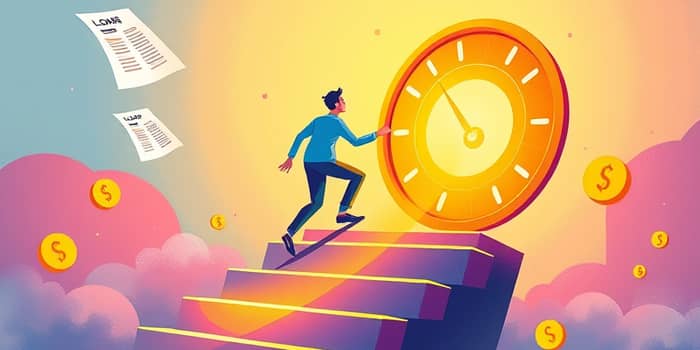
Unlocking financial empowerment often begins with the simple act of paying bills on time. In fact, payment history accounts for 35% of FICO scores, making it the single most influential factor in your creditworthiness. Whether you’re dreaming of owning a home, securing a small business loan, or simply lowering your interest rates, the story you tell through your repayment record can open doors to remarkable opportunities.
Across communities around the world, individuals who consistently meet their obligations witness compounding benefits. From building personal wealth to funding entrepreneurial ventures, the ripple effect of reliable repayments extends far beyond numbers on a report. This journey transforms not only your credit profile, but also your confidence to tackle ambitious goals with clarity and conviction.
How Payment History Shapes Your Credit
When evaluating credit risk, major scoring models like FICO and VantageScore scrutinize your repayment behavior. These models assess every account—credit cards, mortgages, personal loans—and track delinquencies, charge-offs, and collections. A single 30-day late payment can trigger a drop of over 100 points, while multiple delinquencies deepen the damage. Conversely, each on-time payment remains on your report for 10 years of positive history, creating an enduring record of financial discipline.
Scoring agencies weigh these details differently. FICO places the greatest emphasis on payment history, attributing 35% of your total score to punctual repayments. VantageScore, meanwhile, can allocate up to 40% to this metric depending on the version. Beyond punctuality, factors like credit mix, length of history, and recent inquiries interact with payment data, meaning a diverse portfolio of accounts and older open lines can amplify your strengths or mitigate short-term fluctuations.
Below is a concise overview of key metrics and their implications:
Understanding these mechanisms allows you to anticipate how each payment choice influences your overall credit standing. By prioritizing early or on-time payments, you align your actions with scoring logic, paving the way for increasingly favorable outcomes.
The Transformative Impact on Loans
A sterling payment history translates directly into tangible loan benefits. Borrowers with excellent records often secure lower interest rates, higher credit limits, and more favorable repayment terms. For example, improving your credit by just 20 points could reduce mortgage rates by 0.25%, potentially saving tens of thousands of dollars over a 30-year loan.
Lenders view strong payment behavior as a reliable predictor of future action. Data shows that BNPL users with good history are 30 percentage points more likely to obtain traditional bank loans, and they benefit from 8-10 point lower internal risk scores. This trend extends to auto financing, where buyers with spotless histories may qualify for special rebate programs or zero-percent financing deals, dramatically lowering the total cost of a vehicle.
In fact, borrowers in prime tiers can obtain prime rates versus subprime loans, translating to dramatic savings on large balances and reinforcing the value of a strong credit footprint.
Moreover, a solid track record enhances your debt-to-income ratio, enabling approvals for larger loans without overextending your budget. Crossing the threshold into a FICO score above 670 elevates borrowers into the prime category, where the best products—such as fixed-rate mortgages and secured business lines—become accessible.
Even paying off existing debts can yield rewards. While closing a long-standing account may momentarily shorten the length of your credit history, the positive payment record remains, contributing to a robust credit narrative that continues to support future borrowing.
Avoiding the Pitfalls of Late Payments
While the rewards of good payment behavior are compelling, the repercussions of tardiness are severe. Delinquencies escalate in stages: a 30-day late mark tarnishes your report, a 60-day late can further erode your score, and reaching 90 days may trigger collections or charge-offs. Such defaults linger for 7 years of negative marks, impacting your ability to secure affordable credit long after a missed payment.
In practice, avoiding the first late mark is crucial. Many borrowers can avert score damage by resolving payments before the 30-day window closes. Tools like autopay, payment reminders, and flexible due dates offered by creditors can help you stay ahead. When unexpected expenses arise, communicate proactively with lenders to negotiate short-term hardship arrangements or extended grace periods, preventing a solitary financial hiccup from becoming a long-term setback.
Strategies to Build Strong Payment Habits
Forging a positive payment history requires deliberate action. Below is a list of practical strategies to ensure you meet every due date with confidence and consistency:
- Automate your payments to reduce the risk of oversight.
- Use credit builder loans or secured cards reported to all bureaus.
- Monitor your credit report monthly and dispute inaccuracies promptly.
- Prioritize covering overdue balances before reaching delinquency thresholds.
- Set calendar alerts and maintain a budget cushion for due dates.
By embedding these practices into your financial routine, you transform on-time payments from an occasional achievement into a habit. Over time, the compound effect of punctual repayments becomes the foundation of a resilient credit profile.
Real-World Examples and Long-Term Advantages
Imagine a young professional diligently making student loan payments over a decade. Their unwavering discipline yields a FICO score above 700, unlocking access to competitive auto loans and premium credit cards with rewards and low rates. Similarly, entrepreneurs who honor vendor and equipment leases on schedule can negotiate larger credit lines and reduced fees, fueling innovation and growth within their businesses.
Large-scale data underscores these successes. Households maintaining positive payment records experience 20-40% lower default rates across credit products. Student loan borrowers who avoid any missed payments increase their prime-rate eligibility by 15%. Meanwhile, families leveraging mortgage escrow accounts and consistent property tax payments secure refinances at improved terms, freeing capital for education, home improvements, or retirement savings.
The cumulative benefit of truly consistent on-time payments mirrors the power of compound interest. As your credit strengthens, each new loan application and approval becomes smoother, less costly, and more predictable. Financial institutions view you as an asset rather than a risk, offering tailored solutions that align with your long-term aspirations.
Conclusion
Your payment history is more than a ledger of past transactions—it’s a testament to your discipline and reliability. By embracing strategies that ensure punctual repayments, you cultivate a credit legacy that yields tangible benefits for years to come. Whether you’re securing your dream home, expanding a business, or simply striving for financial security, the keys to success are clear: priority, consistency, and vigilance.
Embark on this journey today. Set up your calendars, organize your finances, and celebrate each on-time payment as a step toward unlocking greater opportunities. With every timely installment, you’re not just managing debt—you’re building a bridge to a brighter financial future.
Remember, credit is a tool, and like any tool, its power lies in how you use it. Choose to harness the full potential of a positive payment history, and watch as it transforms challenges into pathways for achievement, stability, and growth.
References
- https://www.experian.com/blogs/ask-experian/will-paying-off-a-loan-improve-credit/
- https://www.prosper.com/blog/what-is-payment-history
- https://www.experian.com/blogs/ask-experian/how-to-improve-payment-history/
- https://www.consumerfinance.gov/about-us/blog/credit-scores-only-tells-part-of-the-story-cashflow-data/
- https://www.bankrate.com/personal-finance/credit/payment-history-credit-score/
- https://www.bankrate.com/credit-cards/advice/why-is-good-credit-so-important/
- https://www.myfico.com/credit-education/credit-scores/payment-history
- https://www.finra.org/investors/personal-finance/how-your-credit-score-impacts-your-financial-future
- https://www.creditkarma.com/credit/i/payment-history-credit-report
- https://www.usa.gov/credit-score
- https://www.equifax.com/personal/education/credit/score/articles/-/learn/why-credit-scores-may-drop-after-paying-off-debt/
- https://www.salliemae.com/student-loans/manage-your-private-student-loan/learn-about-credit/
- https://www.experian.com/blogs/ask-experian/credit-education/score-basics/what-affects-your-credit-scores/
- https://www.dailypay.com/press-center/thought-leadership/why-a-good-credit-score-unlocks-many-benefits-for-your-employees/
- https://www.chase.com/personal/credit-cards/education/basics/what-is-payment-history-and-how-does-it-impact-credit
- https://www.newyorkfed.org/microeconomics/hhdc/background.html