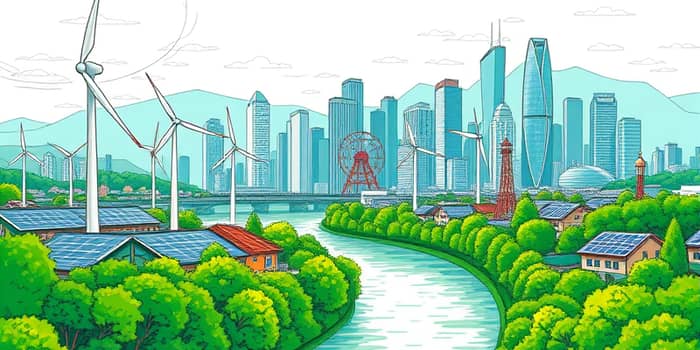
In an era defined by climate urgency and resource scarcity, green loans have emerged as a beacon of hope. By directing capital toward projects that yield tangible environmental benefits and conservation, they empower businesses, governments, and communities to turn bold sustainability visions into reality.
At their core, green loans operate like conventional financing instruments but adhere to rigorous standards. These standards ensure that every dollar lent is channeled exclusively into initiatives that protect ecosystems, cut emissions, and foster long-term resilience.
Understanding Green Loans: Definition and Framework
Green loans are specialized credit facilities designed exclusively to fund new or existing eligible environmental projects. They align with the Green Loan Principles developed by leading associations, a voluntary framework built around four core components:
- Use of proceeds for clearly defined green activities.
- Project evaluation and selection based on environmental impact.
- Management of proceeds with strict tracking and reporting.
- Annual reporting on outcomes, often verified by third parties.
This framework maintains 100% proceeds ring-fenced for green uses and fosters transparency, credibility, and stakeholder confidence. Borrowers benefit from access to purpose-driven capital, while lenders strengthen their ESG credentials.
Real-World Impact: Eligible Projects and Success Stories
Green loans support a breadth of initiatives addressing climate change, biodiversity loss, and pollution:
- Renewable energy generation, including solar farms and wind parks.
- Energy efficiency improvements in industrial and residential buildings.
- Sustainable waste management and water treatment systems.
- Green transportation projects like electric vehicle fleets.
- Conservation and restoration of natural habitats.
One standout example saw ING provide Hines with a green loan to develop an urban logistics park near Heathrow Airport, featuring energy-efficient design, green roofs, and advanced recycling systems. This transaction showcased how private finance can deliver measurable clean-air benefits and resource savings.
Comparing Sustainable Finance Instruments
Green loans sit alongside other labeled debt instruments, each serving distinct purposes. Understanding their differences helps organizations choose the right tool for their sustainability strategy.
While green bonds typically operate at larger scales in public markets, green loans excel in tailored private transactions. They offer flexible financing structures with dedicated environmental requirements, making them ideal for projects of all sizes.
Market Trends and Growth Drivers
Global sustainable finance has surged, driven by investor demand, regulatory momentum, and mounting climate risks. As of early 2025:
- Total sustainable loans and bonds exceeded US$5.9 trillion in cumulative issuance.
- Green loans reached a record US$162 billion in 2024, up 31% year-on-year.
- EMEA and APAC regions saw rising penetration, while North America experienced a modest dip.
This rapid expansion reflects a global shift toward the low-carbon economy and underscores the growing appetite for funding solutions that deliver both financial returns and positive planet outcomes.
Key growth drivers include:
- Institutional investor pressure for ESG-aligned assets.
- Government incentives and carbon pricing frameworks.
- Corporate net-zero commitments and climate risk disclosure requirements.
Challenges and Pathways to Success
Despite robust momentum, green loans face challenges that can impede impact and growth:
- Greenwashing risks and the need for credible third-party verification.
- Market volatility leading to fluctuating issuance volumes.
- Lower penetration compared to green bonds in certain regions.
- Complex reporting obligations that strain smaller borrowers.
Organizations can overcome these hurdles through proactive strategies:
1. Partner with recognized sustainability certifiers to validate project eligibility and outcomes.
2. Implement robust internal tracking systems to manage proceeds and measure impact.
3. Engage stakeholders through transparent, annual disclosures that highlight environmental achievements.
The Future of Green Financing
As climate challenges intensify, the green loan market is poised for evolution. Emerging trends include:
• Transition finance tailored to hard-to-abate sectors such as steel and cement.
• Blended structures that combine green tranches with sustainability-linked components for added flexibility.
• Increased uptake among small and medium enterprises leveraging green loans for clean technology adoption.
Looking ahead, we can expect continued growth in use-of-proceeds financing, alongside innovative labels that bridge sustainability and resilience goals. By embracing pioneering sustainable solutions, businesses and communities will unlock new opportunities while safeguarding the planet.
Green loans are more than financial instruments—they represent a collective commitment to invest in a healthier, more equitable future. Whether you are a CFO seeking cost-effective capital or a project developer driving environmental restoration, green loans offer a pathway to achieve both economic and ecological success.
Join the green loan movement today and transform your sustainability ambitions into action. Together, we can finance a brighter tomorrow.
References
- https://www.weesg.com/the-role-of-the-green-loan-principles-in-financing-the-sustainable-and-net-zero-transition/
- https://www.stephensonharwood.com/insights/demystifying-decarbonisation-exploring-green-loans-and-sustainability-linked-loans/
- https://gsh.cib.natixis.com/our-center-of-expertise/articles/sustainable-debt-in-focus-2024-summary-and-2025-outlook
- https://www.climatebonds.net/data-insights/publications/sustainable-debt-global-state-market-q1-2025
- https://www.worldbank.org/en/news/feature/2021/10/04/what-you-need-to-know-about-green-loans
- https://www.environmental-finance.com/content/market-insight/a-labelled-loan-market-in-transition.html
- https://www.hklaw.com/en/insights/publications/2023/01/green-lending-in-commercial-real-estate-four-core-components
- https://www.gminsights.com/industry-analysis/sustainable-finance-market
- https://www.lsta.org/content/green-loan-principles/
- https://think.ing.com/articles/global-sustainable-finance-2025-mixed-results-highlight-regional-differences/
- https://www.bdo.com/insights/assurance/the-role-of-assurance-sustainable-financing
- https://www.bbvacib.com/green-and-sustainability-linked-loan-newsletter/