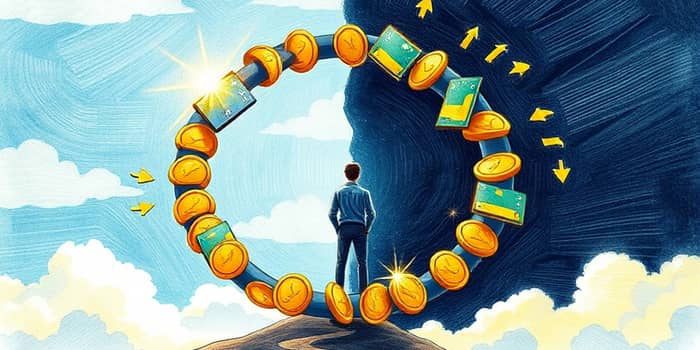
Every dollar you spend is more than a transaction; it’s a decision that echoes through your credit profile and your financial future. When you swipe a card or carry a balance on a loan, you set in motion forces that can either fortify your financial foundation or undermine it. Understanding this cycle is critical: your everyday choices become data points in a complex system that rewards discipline and punishes overextension.
In this article, we demystify how spending decisions create a powerful feedback loop with your credit score, shaping the cost and availability of credit tomorrow. We’ll explore the core components of your score, reveal how practical behaviors feed into these factors, and show you how to capitalize on the positive cycle while breaking free from the negative one. Along the way, you’ll discover strategies to navigate systemic hurdles and equip yourself with the knowledge to transform credit from a source of stress into a tool for growth.
Understanding Your Credit Score
Your credit score is a three-digit snapshot of your creditworthiness, a summary of your financial habits over time. Lenders, insurers, landlords, and even some employers use it to gauge risk. A higher score typically unlocks lower interest rates and better terms, saving you thousands in interest over a lifetime. Conversely, a lower score can lead to higher costs or outright denials, creating invisible barriers to opportunity.
Major scoring models factor in five dimensions:
Payment history is the single largest factor, reflecting your consistency in meeting obligations. Similarly, amounts owed and credit utilization capture how much of your available credit you’re tapping into. A lower utilization ratio signals lower risk, while maxed-out cards raise red flags.
Less obvious but still important, the length of credit history rewards long-standing accounts, and a diverse credit mix shows your ability to handle different types of debt. Finally, new inquiries and accounts can temporarily ding your score as lenders assess fresh credit applications.
Spending Behaviors and Score Factors
Every time you make a purchase, you’re influencing multiple score drivers. Imagine you charge a new laptop to your credit card. That purchase increases your balance, raising your utilization and possibly nudging you closer to your limit.
If your payment is on time and in full, the record boosts your payment history. But if you only pay the minimum, you’ll carry interest and a larger balance into the next cycle, perpetuating higher utilization. Over time, these patterns compound into measurable score changes.
Small habits can make a difference. Paying a fraction of your balance before the statement date can reduce the reported balance, keeping utilization in a healthier range. Likewise, scheduling automatic payments ensures you never miss a due date, guarding your score's most critical factor.
Account management choices matter too. Closing a card with a $5,000 limit after an impulse purchase might curb your temptation, but it also shrinks your total available credit and shortens your account history. Instead, consider repurposing the card for small recurring expenses you pay off immediately, retaining both the limit and the history length.
The Positive Feedback Loop
When you align spending with your means, you trigger a virtuous cycle that uplifts your credit profile and broadens your options:
- Moderate, planned spending within your repayment capacity
- Consistent on-time payments and maintaining low utilization
- Gradual score improvements reflected in your credit report
- Qualification for higher credit limits and lower rates
- Enhanced borrowing power and financial flexibility at reduced cost
- Greater confidence to plan and manage future spending responsibly
Imagine Sarah, who began by budgeting her monthly expenses and charging only planned purchases. Within months, her utilization dropped from 60% to 15%, and her score rose by 40 points. This improved rating qualified her for a lower-rate auto loan, saving her hundreds in interest that she redirected into a savings account. With more cash on hand, she felt less pressure to run up her cards, reinforcing her cycle of success.
Key practices for success include monitoring your score through free tools, setting spending alerts, and keeping a small buffer in your checking account to prevent overdrafts. These incremental steps compound into powerful results over time.
The Negative Feedback Loop
In contrast, unchecked spending can trigger a relentless downward spiral. Picture a household facing an unexpected medical bill. They swipe credit after credit, and within weeks, balances skyrocket. Minimum payments balloon, budgets tighten, and one missed payment can crack the dam.
- Unplanned or excessive spending leads to high account balances
- Credit utilization spikes, stretching budgets and raising minimum payments
- Missed or late payments damage your score and limit options
- Lower scores trigger higher interest rates and subprime product offers
- More income absorbed by interest payments, increasing default risk
- Reliance on expensive credit perpetuates financial strain
Over time, the erosive effects of high interest and late fees can consume a significant share of take-home pay. Borrowers may resort to payday loans or title loans, further draining resources and deepening financial distress. This pattern, described by researchers as subprime can perpetuate subprime, is both a personal challenge and a societal problem requiring systemic remedies.
Breaking the Negative Cycle
Reversing course involves deliberate strategies:
First, build a cash cushion. Even $500 in a high-yield savings account can prevent reliance on high-cost credit in emergencies. Next, tackle the highest-rate debt using either the avalanche method (focusing on the highest APR first) or the snowball method (repaying the smallest balance first to gain momentum).
Leverage tools like balance-transfer offers with 0% introductory APRs, but read the fine print to avoid costly fees. Automating payments protects your payment history as your top priority and eliminates forgetfulness. If you find yourself consistently at high utilization, request a credit limit increase or open a new line of credit responsibly to lower your ratio.
Finally, if past delinquencies haunt your report, consider a secured card or a credit-builder loan. These products can reestablish positive patterns in a controlled environment, creating fresh data points for scoring models to reward.
Systemic Challenges and Equity Issues
While personal actions are vital, the credit ecosystem has flaws. Reports can contain errors—old collections, identity mix-ups, or outdated judgments—that unfairly drag down scores. Studies reveal that inaccurate reporting disproportionately affects low-income and minority consumers, reinforcing wealth gaps.
Advocacy groups push for stronger dispute processes, greater access to free credit reports, and more holistic scoring models that incorporate rent and utility payments. By staying informed and lending your voice to policy efforts, you can help reshape the system for greater fairness.
Empower Your Financial Future
Credit is not fate; it’s a tool. Each spending decision, payment, and account choice feeds into dynamic feedback loops between habits and score that you have the power to steer. By cultivating disciplined habits, leveraging technical strategies, and staying vigilant against errors, you can break negative cycles and reinforce positive ones.
Embrace the journey. Start with a budget, set up safeguards like autopay and low credit utilization targets, and track your progress. Over time, the compound impact of these choices will translate into access to better rates, higher credit limits, and the peace of mind that comes from knowing you control your financial destiny.
References
- https://www.chase.com/personal/credit-cards/education/credit-score/financial-habits-for-good-credit-score
- https://socialchangenyu.com/review/credit-reportings-vicious-cycles/
- https://www.aarp.org/money/personal-finance/high-credit-score-ranking-factors/
- https://fastercapital.com/content/Automated-Loan-Feedback-Loop--How-to-Create-a-Feedback-Loop-for-Your-Loans-and-Improve-Your-Lending-Experience-with-Automation.html
- https://www.experian.com/blogs/ask-experian/credit-education/score-basics/what-affects-your-credit-scores/
- https://www.hondafcu.org/about-hfcu/news/4-habits-that-build-your-credit-score
- https://www.spring.bank/6-factors-that-affect-your-credit-score/
- https://www.quorumfcu.org/learn/money-management/5-financial-habits-that-can-improve-your-credit-score/
- https://www.fico.com/blogs/research-scoring-more-consumers-part-2
- https://www.mysccu.com/assets/files/9tkIeCXa