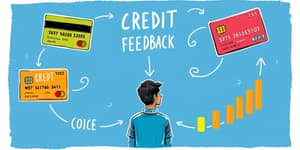
Standing at the intersection of commerce, technology, and human behavior, credit resembles a kaleidoscope: constant movement, evolving patterns, and endless possibilities. Each twist in your financial lens can unlock new insights, revealing how historic innovations and modern tools converge to shape personal wealth.
This journey is not just about numbers or products; it is a narrative of resilience, adaptation, and strategic vision. By adopting a multifaceted, ever-shifting perspective, you will learn to harness credit as a dynamic force, capable of amplifying your goals and reinforcing your long-term stability.
Embracing the Patterns of Credit History
Credit’s roots stretch back centuries, grounded in humanity’s desire to bridge present needs and future gains. In the 1800s, installment loans made sewing machines accessible. By granting small down payments and scheduled repayments, merchants democratized ownership and accelerated industrial growth.
As the 20th century dawned, breakthrough ideas continued. Consumers reserved items through layaway plans, ensuring eventual possession without incurring debt. The post-war era saw credit cards emerge, spawning the concept of revolving credit that billions use today.
- 1800s: Singer Sewing Machine Company crafted the first installment plan for households.
- 1919: General Motors Acceptance Corporation fueled middle-class car ownership with auto loans.
- Mid-20th century: Unsecured credit cards introduced fungible purchasing power.
- Layaway programs competed with plastic, offering a no-interest reservation option.
- Early 2000s: Digital finance platforms began reviving installment ideas online.
Through each stage, one thread remains clear: innovation adapts when consumer demand and technology align, creating new financial mosaics.
Navigating Modern Installment Options
Buy Now, Pay Later (BNPL) is the contemporary embodiment of installment credit. Tailored for one-off purchases, it integrates seamlessly with online and in-store checkout processes, drawing millions of users into flexible payment plans.
Demographics reveal striking patterns. A 2022 Statista survey showed that 56% of millennials, 49% of Gen Z, and 26% of baby boomers embrace BNPL, attracted by convenience and transparent scheduling. Lower-income shoppers also rely on this option when conventional credit feels out of reach.
- Step 1: Select BNPL at checkout and undergo an instant soft credit check.
- Step 2: Pay an initial installment; the provider settles with the merchant.
- Step 3: Automated debits divide the balance into equal payments over weeks.
- Step 4: Completion of payments clears the balance; no interest if on time.
By offering high approval odds and minimal fees, BNPL appeals to both seasoned credit users and those exploring borrowing for the first time.
Advantages and Risks in the Modern Landscape
Modern credit options can significantly magnify purchasing power and offer rewards like cash back or travel points. Interest-free installment plans preserve liquidity, while credit cards build a track record that influences future loan rates and insurance premiums.
Yet, every innovation carries potential pitfalls. Late or missed BNPL payments often trigger fees and can erode trust in your account. Carrying balances on high-interest credit cards, sometimes exceeding 20%, can generate compounding debt that overwhelms budgets.
Recognizing these dynamics is critical. Embrace credit as a tool—not a lifeline—and integrate safeguards such as spending caps, automated reminders, and periodic reviews of your obligations. This discipline creates space for opportunity rather than stress.
Financial literacy initiatives, such as interactive workshops and online modules, equip you with strategies for budgeting, negotiating interest rates, and recognizing predatory offers. Partnering with certified coaches or community programs transforms abstract advice into real-world outcomes.
Shaping Your Financial Mosaic
True mastery of credit unfolds when it aligns with comprehensive holistic financial planning. Picture your wealth as layered dimensions: income, savings, investments, debts, and contingency funds. Each must harmonize to ensure overall vitality.
Maintaining adequate cash reserves anchors the structure. These buffers protect against sudden job loss, medical emergencies, or market downturns, allowing credit to serve as a strategic accelerator rather than an emergency crutch.
Use these benchmarks as starting points, adjusting for personal goals, market conditions, and family responsibilities.
Tools to Illuminate Your Path
Empowering credit within your broader financial plan requires consistent insight. The right resources help you track progress, identify opportunities, and course-correct when needed.
- Expense Tracking: Log daily outflows using journals or apps to uncover spending patterns and emotional triggers.
- Automated Systems: Schedule savings and bill payments to reinforce discipline and avoid missed deadlines.
- Credit Monitoring: Review bureau reports, dispute inaccuracies, and guard your score proactively.
- Goal Setting: Establish clear targets for debt reduction, savings growth, and investment milestones.
By integrating these tools, you gain clarity, reduce uncertainty, and transform abstract ambitions into actionable steps.
Personal Dimensions of Your Financial Kaleidoscope
Every person’s financial picture is uniquely colored by age, values, and aspirations. Maybe you dream of launching a startup, traveling for a year, or retiring early. Your credit strategy must adapt to these personal dimensions.
Take the example of Alcide Knowles, who borrowed a modest sum to purchase freight equipment. Within weeks, he secured new contracts, increased his revenue by 60%, and exited government assistance. His success sprang from aligning credit tools with clear objectives.
Conclusion: Turning Patterns into Potential
The kaleidoscope metaphor teaches us to rotate our view, finding fresh interplay between credit, savings, and ambition. When you learn to view your finances differently, opportunities emerge in unexpected alignments, revealing pathways to stability and growth.
Beyond credit, explore wealth-building avenues like diversified investments, passive income streams, and professional financial counseling. When credit becomes one element within a broader ecosystem, your financial kaleidoscope reveals a harmonious, purpose-driven design.
References
- https://www.stlouisfed.org/publications/page-one-economics/2026/jan/buy-now-pay-later-a-credit-alternative
- https://www.kaleidoscopeimpact.com/personal-finance-money-matters
- https://www.kaleidoscopeimpact.com/financial-empowerment
- https://www.kiplinger.com/retirement/602835/the-dimensions-of-wealth-influencing-your-financial-path
- https://kaleidoscopefinancial.ca/your-investments/
- https://creatingmykaleidoscope.com/2019/02/05/2019-update-finances-life-plans-for-the-future/
- https://www.8am.com/events/kaleidoscope/
- https://guides.laguardia.edu/c.php?g=620063&p=4356629