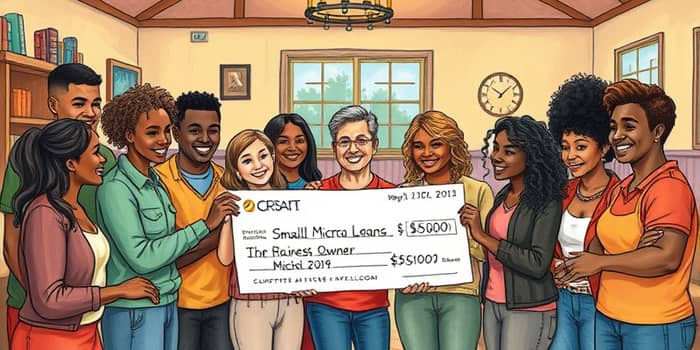
Microloans have emerged as a dynamic tool for entrepreneurs and small-business owners seeking accessible capital. By understanding their structure, benefits, and potential pitfalls, you can leverage these small loans to make a transformative power of microloans part of your growth story.
Understanding Microloans: Core Concepts
Microloans are typically capped at $50,000, with an average around $13,000 through SBA programs. They serve very small businesses—often with fewer than five employees—as well as startups and nonprofits such as childcare centers. Unlike traditional bank loans, these funds often come with flexible qualification and inclusive lending criteria, making them accessible to underserved groups, including women, veterans, minorities, rural entrepreneurs, and those with limited credit history.
Because microloans focus on smaller principal amounts, they fill a crucial funding gap. Borrowers use them to cover essentials like inventory, equipment, supplies, or initial marketing campaigns. Many microlenders also bundle services such as training in bookkeeping, marketing, and financial planning, ensuring recipients gain the skills needed for long-term success.
Types of Microloans and Providers
The microloan landscape includes various lenders, each with unique advantages and eligibility criteria. Understanding these differences helps you choose the best fit for your business needs.
- SBA-Backed Microloans: Offered through nonprofit intermediaries, community organizations, and microlenders, these loans provide up to $50,000 plus required training, focusing on job creation and economic development.
- Peer-to-Peer (P2P) Lending: Online platforms connect individual investors with borrowers, offering faster approvals and more lenient credit requirements.
- Mission-Driven Lenders: Certified Community Development Financial Institutions (CDFIs) and nonprofit loan funds target specific communities, such as low-income neighborhoods or minority-owned enterprises.
- Specialized State and USDA Programs: State-sponsored small-business initiatives and USDA microloans support beginning farmers, niche agricultural ventures, and rural enterprises.
Eligibility and Application Process
Eligibility typically hinges on your business size (fewer than five employees), revenue projections, and a clear repayment plan. Many microlenders prioritize borrowers who demonstrate strong community ties or operate in underserved regions.
Preparation is key to a smooth application. Gather a detailed business plan, financial statements, and any collateral documentation. Demonstrating a thoughtful strategy and realistic cash-flow projections reassures lenders of your ability to repay.
- Detailed business plan including market analysis and growth forecast
- Financial statements and cash flow projections for at least one year
- Personal and business tax returns from the previous two years
- Collateral documentation or personal guarantee information
Pros and Cons: Balancing Opportunities and Risks
Pros: Microloans often feature more lenient underwriting than conventional bank loans. Borrowers benefit from additional services like mentoring, marketing support, and bookkeeping training. They provide quick access to capital for businesses that may not yet qualify for larger funding.
Cons: Because loan amounts are smaller, they may limit expansion if you require substantial investment. Interest rates can be higher, especially for riskier ventures. Since repayment is usually tied to monthly installments, a sudden dip in revenue can strain cash flow.
Navigating Terms, Interest Rates, and Repayment
Rates on microloans vary widely—typically between 6% and 13%—and can be fixed to shield you from market fluctuations. Repayment terms range from several months up to ten years, depending on the loan size and lender policies.
Always review the total cost of borrowing, including origination fees, collateral requirements, and any prepayment penalties. A clear amortization schedule helps you plan for each installment, enabling you to maintain healthy cash flow.
Making the Most of Microloan Support
Beyond funding, many microlenders offer customized support and training services. Participate in workshops on bookkeeping, marketing strategies, and digital tools. Building a relationship with your lender can unlock additional resources such as networking events, mentor matching, and access to specialty grants.
Engage in peer groups or alumni networks to share challenges and successes. Learning from others’ experiences accelerates your growth and helps you avoid common pitfalls.
Real-World Impact: Case Examples
Consider Maria, a rural artisan who struggled to secure her first loan. With a $10,000 USDA microloan and business counseling, she purchased equipment, launched an online store, and increased her monthly revenue by 150%. Today, Maria employs four local artisans and mentors new applicants at her lender’s workshops.
Similarly, a veteran-led catering service used a $25,000 SBA microloan to expand its kitchen facilities. The loan came with marketing training, resulting in a 200% boost in corporate contracts within a year.
Conclusion: Charting Your Path with Confidence
Microloans offer a compelling avenue for small-business growth when traditional funding falls short. By thoroughly researching lenders, preparing a robust application, and leveraging available support, you can harness the transformative power of microloans to build a resilient, thriving enterprise. With careful planning and strategic use of these resources, your small investment today can become the foundation of a lasting success story.
References
- https://www.sofi.com/learn/content/microloans/
- https://www.sba.gov/funding-programs/loans/microloans
- https://www.sba.gov/document/sop-52-00-microloan-program
- https://www.shopify.com/blog/what-are-microloans
- https://www.ecfr.gov/current/title-13/chapter-I/part-120/subpart-G
- https://www.credibly.com/guides/microloans/
- https://sam.gov/fal/1c1e8e8a3f7e4bdab8af0991a28cea3f/view
- https://legal-resources.uslegalforms.com/m/microloan
- https://www.paychex.com/articles/finance/sba-microloan
- https://ramp.com/blog/what-is-microlending
- https://www.federalregister.gov/documents/2024/05/02/2024-09520/microloan-program-changes-to-the-microloan-program-under-the-economic-aid-to-hard-hit-small
- https://www.nav.com/blog/69-understanding-the-basics-microloans-vs-traditional-loans-5393/
- https://www.fsa.usda.gov/resources/farm-loan-programs/microloans