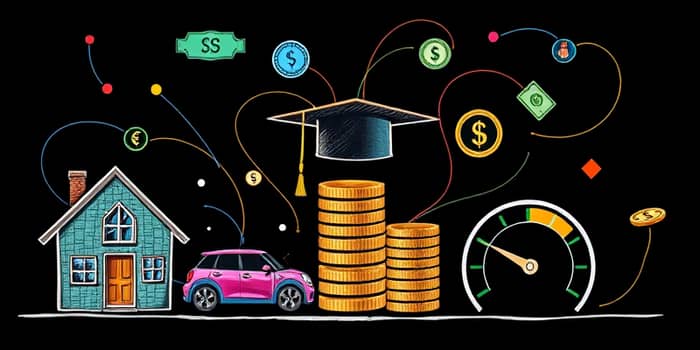
Financial decisions shape our future, and choosing the right loan can be a turning point toward stability, growth, or freedom. Whether you’re funding a new car, consolidating debt, or purchasing your dream home, understand key loan characteristics to make informed choices. This guide explores major loan products, interest structures, qualification criteria, and practical steps so you can navigate the lending landscape with confidence.
Understanding the Basics of Loans
A loan is a sum of money borrowed from a lender with the agreement to repay principal plus interest over a set term. Loans fall into two categories: secured and unsecured. A secured loan uses collateral—like a house or vehicle—while an unsecured loan depends solely on your creditworthiness and can carry higher rates.
Interest can be fixed or variable. Fixed rates remain constant, offering predictable payments. Variable or adjustable-rate loans fluctuate with market indices, sometimes starting lower but exposing you to interest hikes over time. Annual Percentage Rate (APR) combines interest and fees to reflect the true cost of borrowing.
Major Loan Types: Definitions and Features
Explore the most common loan products, each designed for specific needs and offering unique advantages and requirements.
Personal and debt consolidation loans can cover emergencies, weddings, or debt repayment under one roof. Most are unsecured, requiring only proof of income and a credit check. Higher credit scores unlock the lowest rates, while subprime borrowers may see APRs approach 100%.
Auto loans are secured by the vehicle, with terms typically under seven years. New car financing offers better rates than used, and credit score, down payment, and loan length affect your APR. Default risks repossession of the vehicle.
Mortgages are long-term loans secured by real estate. Conventional, FHA, VA, and USDA options come with varying down-payment requirements and eligibility rules. Fixed-rate mortgages lock in rates for 15 to 30 years, while adjustable-rate mortgages (ARMs) offer initial savings at the risk of future increases.
Home equity loans and HELOCs tap into built-up property value. A home equity loan provides a lump sum at a fixed rate, while HELOCs function like credit cards with an adjustable limit. Lower interest than personal loans makes them appealing for home improvements and major expenses.
Federal student loans offer fixed rates with income-driven repayment and forgiveness options. Private education loans fill any gaps but lack federal protections. Credit-builder loans are small, 6–24-month installment loans that help establish or improve your credit profile by reporting payments to bureaus.
Payday and cash advance loans fill urgent cash needs but carry extremely high APRs and fees, creating the risk of a debt spiral. Business loans range from short-term working capital lines to long-term equipment financing or commercial mortgages, secured or unsecured based on the lender’s risk tolerance.
Comparing Costs and Terms
When evaluating loan offers, consider the full cost of borrowing. Beyond interest rate, watch for origination fees, prepayment penalties, and late fees. The APR metric helps compare loans on an equal footing.
- Loan Amount Versus Payment: Larger loans with longer terms lower monthly payments but increase total interest.
- Fixed or Variable Rate: Fixed offers stability; variable may end up costing more if rates rise.
- Collateral Requirements: Secured loans often have lower rates but risk valuable assets.
Choosing the Right Loan for Your Goals
Your financial objective guides loan selection. Want to reduce credit card bills? A debt consolidation loan can streamline monthly payments. Planning home renovations? A HELOC taps equity at competitive rates. Financing education? Federal student loans provide borrower protections.
- Assess your credit score and income stability.
- Match the loan term to your budget.
- Compare APR and total cost.
- Investigate special programs like FHA or VA.
- Beware of high-fee short-term lenders.
Risks and Precautions
All borrowing carries risk. Defaulting on secured loans can lead to repossession or foreclosure. High APR products, such as payday loans, can trap borrowers in a cycle of debt. Read the fine print for prepayment penalties or hidden charges.
Keep your debt-to-income ratio in check, ensuring monthly obligations don’t exceed a comfortable percentage of your take-home pay. Maintain an emergency fund to avoid relying on high-cost credit during unexpected events.
Practical Tips for Borrowers
- Check your credit report and score before shopping for loans.
- Prequalify to compare offers without harming your credit.
- Negotiate for lower fees or better terms when possible.
- Automate payments to avoid late fees and build positive payment history.
- Pay more than the minimum when you can to reduce interest charges.
By following these steps, you position yourself for secure funding for your dreams and avoid costly mistakes common among less-prepared borrowers.
Conclusion
Loans can be powerful tools when used responsibly. By understanding different products, comparing costs, and choosing the right option for your circumstances, you unlock opportunities for homeownership, education, and business growth. Every financial journey begins with knowledge and thoughtful planning. Embrace the power of informed borrowing and take confident strides toward your goals.
References
- https://www.lendingclub.com/resource-center/personal-loan/common-types-of-loans-and-benefits-of-each
- https://www.businessinsider.com/personal-finance/personal-loans/average-personal-loan-interest-rates
- https://www.experian.com/blogs/ask-experian/types-of-loans/
- https://www.credible.com/personal-loan
- https://www.wolterskluwer.com/en/expert-insights/common-types-of-bank-loans
- https://www.nerdwallet.com/mortgages/mortgage-rates
- https://www.bankrate.com/loans/personal-loans/types-of-personal-loans/
- https://www.ofas.uci.edu/paying-for-uci/loans/loan-tools/loan-comparison-charts.php
- https://www.consumerfinance.gov/owning-a-home/explore/understand-the-different-kinds-of-loans-available/
- https://www.bankrate.com/loans/personal-loans/rates/
- https://studentaid.gov/understand-aid/types/loans/federal-vs-private
- https://www.consumerfinance.gov/owning-a-home/explore-rates/
- https://career.uconn.edu/videos/understanding-types-of-loans/
- https://studentaid.gov/understand-aid/types/loans/interest-rates
- https://www.pennymac.com/rates
- https://ncua.gov/analysis/cuso-economic-data/credit-union-bank-rates
- https://www.mortgagecalculator.org/calcs/compare.php