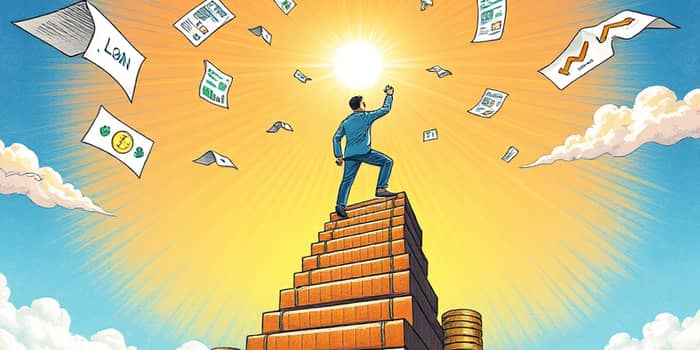
Managing debt effectively is more than just making payments on time—it’s about gaining control of your financial future. With mounting interest rates and growing balances, households across the country feel the weight of obligations, from credit card bills to student loans. By adopting a structured plan, combining personal repayment techniques with strategic borrowing options, you can reduce stress, save on interest, and accelerate your path to financial freedom.
Understanding Debt Management
At its core, debt management is a systematic approach to debt reduction. It involves organizing all outstanding balances, prioritizing payments, and choosing between self-directed methods or professional assistance. Consistent and informed actions can lead to better credit scores, less interest paid over time, and lasting peace of mind.
Debt comes in various forms, each with its own characteristics and challenges. Common categories include:
- High-interest debt: Credit cards and payday loans
- Low-interest debt: Student loans and personal loans
- Secured debt: Mortgages and auto loans
Assessing Your Debt and Budget
The first step in any debt strategy is a thorough assessment. Create a detailed list of every loan and credit balance, noting amounts owed, interest rates, due dates, and minimum payments. Calculating your debt-to-income ratio will provide insight into repayment capacity and inform your approach.
A realistic budget is indispensable. Compare monthly income against essential expenses—housing, utilities, groceries—and identify surplus funds that can be redirected toward debt service. Building an emergency fund to cover expenses worth three to six months of living costs is equally critical, preventing reliance on new credit when unexpected costs arise.
DIY Repayment Methods
For many individuals, self-managed strategies offer flexibility and motivation. Two widely used tactics include the snowball and avalanche methods.
The snowball technique offers psychological momentum and quick wins, fostering early success. In contrast, the avalanche method is aimed at maximizing savings by tackling the most expensive debt first. Choosing between them depends on your personality and financial goals.
Loan-Based Consolidation Strategies
When multiple debts become overwhelming, consolidation can streamline repayments. By combining balances into a single, lower-interest loan, borrowers can simplify their obligations and potentially reduce total costs.
- Consolidation loans from banks or credit unions
- Balance transfer credit cards with promotional rates
- Home equity loans leveraging property value
- 401(k) loans against retirement savings
Consolidation offers benefits like lower interest rates and fees and one monthly payment. However, qualifying often requires a credit score of 690 or higher, and some options (like tapping home equity) carry the risk of collateral loss if payments are missed.
Professional Solutions and Expert Guidance
For those facing serious financial strain, institutional assistance can provide structured relief. Nonprofit agencies offer Debt Management Programs (DMPs) to negotiate reduced rates and fees with creditors. Clients make one monthly deposit, and the agency handles distributions on their behalf.
Debt settlement firms negotiate to lower the principal balance, typically charging fees of 15–20% of the enrolled debt. While this can reduce your overall obligation, it may negatively impact credit scores and often involves upfront costs. Credit counseling services, accredited by organizations like the NFCC, deliver individualized professional financial guidance and budgeting support to those in need.
Building Sustainable Financial Habits
Long-term success relies on healthy money routines. Automating payments ensures on-time remittances and shields you from late fees. Tracking every dollar spent reveals patterns and areas where expenses can be cut. Commit to avoiding new borrowing until existing balances are under control.
Boosting income through side ventures—freelance work, gig economy jobs, or selling unused items—can expedite payoff timelines. Additionally, renegotiating service contracts, comparing utility providers, and seeking discounts can free extra cash to channel toward debt.
Action Plan for Readers
- List and categorize all debts, including rates and due dates
- Create and adhere to a realistic monthly budget
- Establish an emergency fund covering 3–6 months’ expenses
- Select a repayment strategy: snowball, avalanche, consolidation, or DMP
- Negotiate directly with creditors for better terms
- Automate payments to avoid missed deadlines
- Seek professional help when debt becomes unmanageable
- Maintain disciplined spending and financial education
By following these steps with dedication and patience, you can transform debt from a source of anxiety into a manageable challenge. Embrace the journey toward financial freedom, and remember that every payment brings you closer to stability and peace of mind.
References
- https://getremynt.com/blog/debt-management-101-a-comprehensive-guide/
- https://dfpi.ca.gov/news/insights/three-steps-to-managing-and-getting-out-of-debt/
- https://www.nerdwallet.com/finance/learn/pay-off-debt
- https://blog.harvardfcu.org/a-comprehensive-guide-to-debt-management-programs
- https://www.valley.com/personal/insights/managing-your-money/debt-management-101-core-tips-and-tricks-to-pay-down-your-debt
- https://www.equifax.com/personal/education/debt-management/
- https://www.forafinancial.com/blog/small-business/debt-management-guide/
- https://www.investcarlisle.com/blog/mastering-debt-management-a-guide-to-financial-freedom