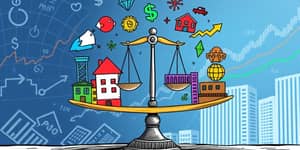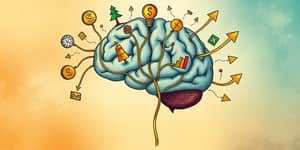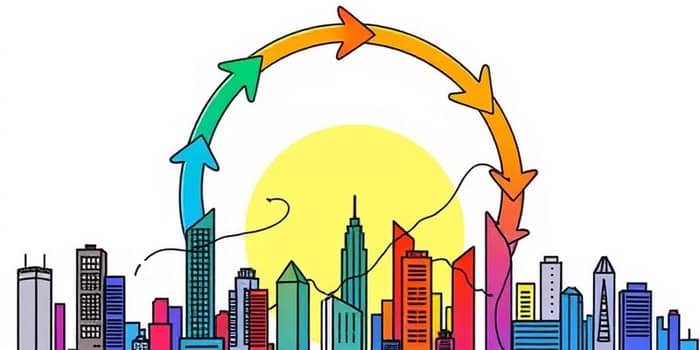
Economic activity does not move in a straight line. Instead, it follows a recurring pattern of expansion to contraction that shapes markets, businesses, and investor decisions. Understanding these rhythms can transform uncertainty into opportunity.
What Are Economic Cycles?
Economic cycles, also known as business cycles, are the recurring pattern of expansion → peak → contraction → trough → recovery in aggregate output, employment, income, and spending. They are the heartbeat of macroeconomic activity.
Analysts track these fluctuations using key indicators such as GDP growth, industrial production, consumer spending, and business investment. At the micro level, firms experience their own mini-cycles tied to sector-specific trends, but the overall phases align with the broader economy.
The Four Main Phases of the Cycle
Expansion Phase
During expansion, GDP growth accelerates and unemployment falls. Industrial output climbs, consumer sentiment brightens, and corporate profits rise. Central banks often begin with low rates, gradually tightening to prevent overheating.
Businesses benefit from easier access to credit and robust demand. Firms ramp up investments in capacity, technology, and talent. However, overexpansion, cost overruns and capacity built on overly optimistic forecasts pose significant risks.
Peak Phase
The peak marks the transition from growth to slowdown. Economic activity remains strong but shows signs of stress: rising inflation, wage pressures, and high interest rates. Companies may experience record sales even as input costs begin to bite.
Management often tightens budgets, halts aggressive hiring, and reevaluates expansion plans. Investors typically shift toward high-quality assets, preparing portfolios for potential volatility ahead.
Contraction (Recession) Phase
In contraction, GDP and industrial production decline. Consumer spending wanes, confidence falls, and unemployment climbs. Central banks respond by cutting rates and injecting liquidity.
Businesses implement cost-cutting measures—layoffs, pay freezes, frozen capital expenditure. Funding becomes scarcer as lenders tighten standards. Some firms pivot business models or undergo restructuring to survive.
Trough & Recovery Phase
The trough is the economy’s low point. Output stabilizes, job losses decelerate, and financial stress remains elevated. In recovery, early gains are fragile: consumer and investor confidence gradually returns while prices and wages are still subdued.
Ahead of the next expansion, forward-looking companies emphasize lean operations and innovative strategies that outpace rivals. As lending conditions normalize, cautious hiring resumes and fresh capital flows into new ventures.
Why Economic Cycles Occur
Several theories explain the mechanics behind these fluctuations. No single school of thought has all the answers, but each offers valuable insights.
- Demand-driven theories: Swings in consumption, investment, government spending, and net exports drive aggregate demand shifts.
- Monetary theories: Periods of too-loose or too-tight credit and interest rate policies fuel booms and busts.
- Inventory cycles: Overproduction and excess stock build-up lead to abrupt production cuts when demand falters.
- Shocks and frictions: External events—pandemics, energy crises, policy missteps—jolt the economy off its trend path.
Historical & Empirical Context
Post-World War II, the U.S. economy has averaged business cycles of about six years, punctuated by notable downturns:
- Early 2000s tech bust: A marketable asset bubble that burst, leading to slower growth.
- Global Financial Crisis (2007–2009): A credit-driven collapse that triggered the deepest postwar recession.
- COVID-19 shock (2020): A rapid contraction caused by a global health crisis and lockdowns.
Modern cycles show lower volatility—dubbed the “Great Moderation”—thanks to refined monetary policies and improved inventory management. Yet financial shocks and asset-price bubbles ensure that no period is entirely smooth.
Strategies for Each Phase
- Expansion: Invest in capacity, diversify assets, and monitor leverage closely.
- Peak: Shift toward high-quality assets, tighten budgets, and prepare contingency plans.
- Contraction: Preserve liquidity, focus on core competencies, and negotiate flexible financing.
- Recovery: Deploy capital in undervalued sectors, innovate relentlessly, and rebuild talent pools.
By recognizing the hallmarks of each phase, businesses and investors can tailor their strategies—turning economic rhythms into a roadmap rather than a rollercoaster ride. Mastery lies in preparation, adaptability, and the courage to act when others hesitate.
References
- https://caringfranchise.com/blog/effect-of-economic-cycles/
- https://www.sofi.com/learn/content/what-is-the-business-cycle/
- https://institutional.fidelity.com/app/item/RD_13569_40890/business-cycle-update.html
- https://blueskywa.com/blog/understanding-business-cycles-and-their-impact-on-your-financial-strategy
- https://www.svb.com/market-insights/fixed-income-strategy/riding-the-economic-cycle/
- https://www.jpmorganchase.com/institute/all-topics/business-growth-and-entrepreneurship/when-opportunity-knocks-how-economic-cycles-shape-entrepreneurial-ventures-and-their-success