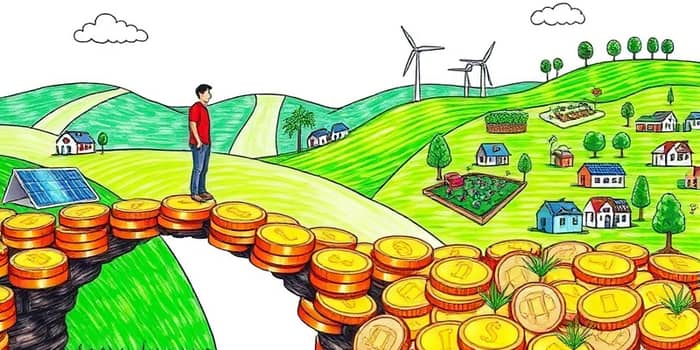
In an era of rapid change and uncertainty, mastering the art of financial foresight empowers you to navigate tomorrow with confidence. By treating your money decisions as votes for the kind of future you desire, you can build security, resilience and sustainable wealth.
Understanding Financial Foresight
Financial foresight is more than budgeting or saving; it is a deliberate practice of aligning current financial choices with future goals. This philosophy draws on principles from behavioral economics, ecological economics and systems theory to help you optimize resources under uncertainty.
At its core, foresight requires viewing your present actions through the lens of your future self. By treating your future self with care, you make decisions that honor long-term autonomy, environmental stewardship and intergenerational equity.
Philosophical Shifts for Long-Term Well-Being
Adopting a foresight mindset involves several key mindset changes. These shifts transform everyday transactions into powerful commitments to a sustainable, thriving future.
- Each purchase votes for the world you want, factoring in full life-cycle costs from production to disposal.
- Embrace a lower personal discount rate to value future benefits nearly as much as present gratification.
- Reframe budgets as tools for self-determination aligned with values like ethical labor and environmental impact.
- Build anti-fragility for lasting stability by diversifying income streams and reducing reliance on single systems.
Levels of Financial Foresight
Foresight develops through stages, each offering deeper insight and broader impact on your finances and well-being.
- Fundamentals: Redirect small daily leaks—like impulsive coffee runs and unused subscriptions—into savings. Seek high-quality, durable purchases, reducing overall consumption while reclaiming time and money.
- Intermediate: Link personal wealth to broader systems. Plant a drought-resistant garden as a financial asset, diversify income, invest in home energy independence and reinforce local food or energy networks.
- Academic: Reevaluate social discount rates for ecological assets, apply strong sustainability principles, quantify intergenerational equity risks, and close intention-action gaps through robust financial literacy frameworks.
Traditional vs Foresight-Driven Approaches
Comparing conventional financial strategies with a foresight-driven model highlights the transformative potential of long-term thinking.
Practical Strategies: Credit Foresight in Action
Credit, used wisely, can become a powerful tool for building future security. Here are actionable steps to integrate credit foresight into your financial plan.
Define Goals: Reflect on aspirations such as homeownership, retirement or education. Set clear timelines and target amounts to make dreams tangible and measurable.
Budgeting: Track every source of income and categorize expenses. Subtract savings targets first, then allocate the remainder. Adjust spending categories to ensure alignment with values and priorities.
Credit Management: Monitor your credit score and report regularly. Use credit cards for planned purchases only, paying balances in full each month to avoid interest charges and build a resilient credit profile.
Insurance Protection: Secure a safety net with appropriate coverage for health, property and income loss. Good insurance safeguards your savings and ensures unexpected events don’t derail long-term plans.
Estate Planning: Draft wills and trusts with professional guidance. Clear directives preserve family security and ensure assets transfer according to your wishes, protecting future generations.
Ongoing Adaptation: Life evolves, and so should your financial plan. Schedule regular reviews to adjust goals, rebalance investments and recalibrate budgets as circumstances change.
Building Resilience through Anti-Fragility
Anti-fragility goes beyond resilience. While resilience resists shocks, anti-fragile systems gain strength from volatility. In financial terms, this means:
- Diversifying income streams to convert market fluctuations into growth opportunities.
- Investing in sustainable infrastructure—solar panels, efficient insulation—to secure predictable, long-term returns.
- Cultivating community networks for shared resources, reducing reliance on fragile global systems and fostering local resilience.
Tracking Progress and Adapting Over Time
The hindsight-insight-foresight cycle is a powerful methodology for continuous improvement:
Hindsight: Analyze past financial statements to identify spending patterns and unexpected expenses. Document lessons learned.
Insight: Interpret trends and link them to your current financial health. Highlight areas where values and habits diverge.
Foresight: Use scenario planning and forecasting tools to project multiple pathways. Prepare contingency plans for market shifts, climate events or personal life changes.
Embrace Your Financial Future Today
By adopting credit foresight and embedding ecological, social and intergenerational values into your decisions, you transform each dollar into a building block for a sustainable tomorrow. Your future self—and the world you inhabit—will thank you.
Start now: define meaningful goals, craft a resilient budget, manage credit strategically and commit to continuous adaptation. The path you choose today shapes the legacy you leave for generations to come.
References
- https://lifestyle.sustainability-directory.com/term/financial-foresight/
- https://finmaestros.com/financial-foresight-the-power-to-achieve-financial-independence-and-success/
- https://fhtrust.com/financial-foresight-crafting-a-long-term-plan-for-monetary-wellness
- https://kanmon.com/blog/financial-foresight-and-strategic-planning
- https://www.mjcpa.com/turning-financial-insight-into-business-foresight-empowering-your-company-for-strategic-growth/
- https://blogs.cfainstitute.org/investor/2024/08/05/scenario-planning-foresight-and-the-power-of-imagination-navigating-an-uncertain-future/