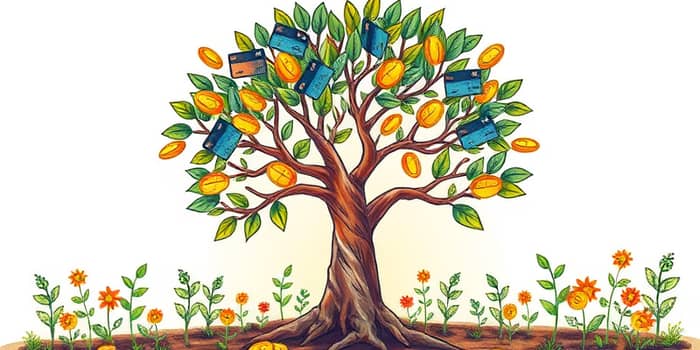
In today’s fast-paced world, cultivating capital goes beyond saving pennies; it demands a disciplined approach to credit. When wielded thoughtfully, credit becomes a powerful ally in building lasting financial security and unlocking opportunities that might otherwise remain out of reach.
Why Smart Credit Habits Matter
Smart credit use forms the bedrock of wealth accumulation. It lowers borrowing costs on key loans, increases your borrowing clout, and reduces money lost to interest fees. Every on-time payment and fee avoided contributes to the capital you are actively nurturing.
Your credit score serves as your financial reputation in the marketplace. Lenders, landlords, insurers, and even potential employers review it to gauge your reliability. A strong score can translate to lower security deposits, preferred interest rates, and favorable loan terms, boosting your ability to grow net worth over time.
Understanding Your Credit Score Mechanics
To cultivate capital, you must first decode the score. FICO-like scores weigh key factors:
Payment history reigns supreme: every timely payment strengthens your score, while a 30-day late mark can linger for years. Credit utilization measures how much revolving debt you carry relative to limits. Aim to keep balances under 30% of available credit, and under 10% for optimal results.
Length of history rewards old, well-managed accounts. Closing a long-held card can inadvertently shorten your average age and weaken your profile. A diverse credit mix—combining credit cards, installment loans, and retail accounts—signals experience managing different debt types. Finally, be cautious with new applications; each hard inquiry can shave points off your score.
Daily Habits for Cultivating Capital
Your daily actions stamp your credit record. By integrating consistent habits into your routine, you transform credit from a liability into a strategic tool for wealth-building.
- Always pay at least the minimum by the due date.
- Settle your statement balance in full whenever possible.
- Maintain utilization below recommended thresholds.
- Align credit use with your budget and goals.
Always Pay on Time
On-time payments account for roughly 35% of your score. A single missed payment can trigger costly interest hikes and damage your reputation with lenders. Automate payments for at least the minimum amount due, and supplement with calendar alerts to ensure smooth, uninterrupted credit management.
Pay More Than the Minimum
Meeting only the minimum obligation stretches repayment and magnifies interest charges, eroding disposable income. Paying the statement balance in full each month not only shields you from finance charges but also demonstrates responsible debt management habits to credit bureaus and lenders.
Keep Credit Utilization Low
Utilization ratios—both per account and across all cards—tell lenders how reliant you are on revolving credit. Strive to keep your balance below 30% of each card’s limit, ideally under 10% total. Making multiple payments throughout the billing cycle can keep reported balances low without altering daily spending.
Use Credit Strategically
Credit should serve your financial goals, not tempt impulsive spending. Budget first and charge only planned expenses. Review monthly statements to track patterns and identify areas where you can cut back. By treating each card swipe as a deliberate choice rather than an emotional impulse, you reinforce a mindset of purposeful financial planning.
Building and Rebuilding Credit
Whether you’re starting from scratch or recovering from setbacks, a clear roadmap can guide you toward a thriving credit profile.
- Secured cards and small-limit starter cards build positive payment history safely.
- Avoid opening multiple new accounts at once to prevent score dips.
- When delinquent, negotiate payment plans and settle collections strategically.
- Patience and persistence pay dividends over months and years.
For those with no credit history, secured cards backed by a deposit can kick-start your record. Choose a card with no annual fee, keep your balance low, and pay on time every cycle. If you’re rebuilding, contact creditors to arrange settlement of past-due balances and use hardship programs to realign accounts to current standing.
Monitoring and Protecting Your Credit Profile
Active oversight ensures you stay on track and catch potential issues before they escalate.
- Review free annual reports from Equifax, Experian, and TransUnion.
- Dispute inaccuracies promptly to maintain an accurate record.
- Limit new applications and shop selectively for lower-rate deals.
Beyond credit reports, watch your statements for unauthorized transactions or identity theft. Set up transaction alerts for large or overseas charges, and contact your card issuer immediately if you detect fraud. Consistent vigilance protects both your credit and the capital you’ve worked to cultivate.
Choosing the Right Credit Tools for Your Goals
Selecting the appropriate credit card or loan involves balancing perks against potential pitfalls. Look for cards that offer rewards aligned with your spending habits—cashback on essentials, travel points for business trips, or low introductory rates for balance transfers.
Before applying, evaluate interest rates, fees, and terms. A card with a modest annual fee might pay for itself through rewards, but only if you use it responsibly. Match each product to a specific purpose, whether it’s building credit, financing a major purchase, or optimizing cash flow.
Conclusion: Cultivating Capital for the Long Run
Cultivating capital through smart credit habits is both an art and a science. It demands discipline, regular self-assessment, and a long-term outlook. By understanding score mechanics, adopting daily best practices, and monitoring your profile, you can transform credit into a catalyst for wealth-building.
Remember, every on-time payment, point earned, and fee avoided represents capital preserved. Over time, these increments compound, unlocking lower borrowing costs, higher access, and greater financial freedom. Start today, and nurture your credit like the valuable resource it is—your reputation in the marketplace and a cornerstone of your lasting financial legacy.
References
- https://www.unitusccu.com/blog/smart-credit-card-habits-that-pay-off/
- https://www.northwest.bank/news-insights/low-or-no-credit-key-strategies-to-boost-your-credit-score/
- https://www.idfcfirst.bank.in/finfirst-blogs/credit-card/right-credit-card-transform-money-spending-mindset
- https://www.fswb.bank/about/five-tips-for-improving-your-credit-score
- https://www.macu.com/must-reads/credit-cards/be-card-savvy-25-ways-to-get-more-from-your-credit-card
- https://www.experian.com/blogs/ask-experian/credit-education/improving-credit/improve-credit-score/
- https://www.schwabmoneywise.com/teen/story/how-to-use-credit-card
- https://www.reliantcu.com/resources/financial-education/4-tips-to-boost-your-credit-score-quickly/
- https://www.afcu.org/learn/credit-debt/good-credit-card-habits/
- https://www.vacu.org/learn/credit-building/8-ways-to-improve-your-credit-score
- https://www.53.com/content/fifth-third/en/financial-insights/personal/financial-education/5-smart-strategies-for-everyday-credit-card-use.html
- https://www.schwab.com/learn/story/how-to-improve-credit-score
- https://www.phoenix.edu/blog/managing-credit-card-debt-and-fostering-good-credit-habits.html
- https://bettermoneyhabits.bankofamerica.com/en/credit/how-to-improve-your-credit-score
- https://myc1cu.com/news/2023/10/smart_credit_card_practices_using_credit_cards_without_falling_into_debt
- https://www.usa.gov/credit-score
- https://www.wellsfargo.com/goals-credit/smarter-credit/improve-credit/good-to-great/