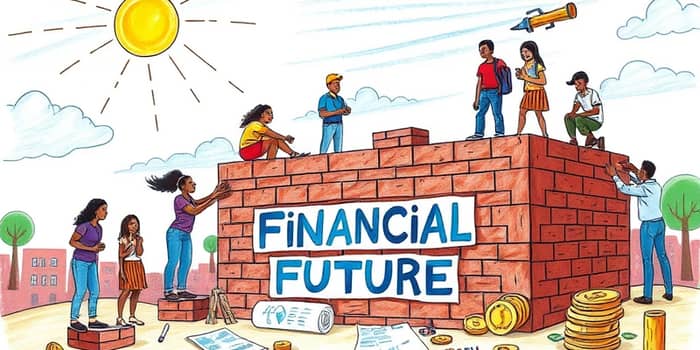
Loans often carry a mixed reputation, but in truth, they can be powerful tools when used wisely. By understanding the full spectrum of borrowing options and adopting a strategic mindset, you can harness loans to lay the groundwork for sustainable growth and achieve milestones that might otherwise feel unattainable.
Why Loans Matter in Your Financial Journey
At their core, loans provide access to capital that might not be available through savings alone. From starting a business to consolidating debt, loans can bridge the gap between aspiration and reality.
- Access funds for major purchases without depleting savings
- Build credit history through consistent repayments
- Spread large expenses into manageable installments
- Seize timely opportunities in education, real estate, or business
When approached thoughtfully, borrowing becomes more than just debt—it becomes an instrument for growth, empowering you to take confident steps toward your goals.
Understanding Core Loan Types: Secured vs. Unsecured
The first decision point in your borrowing journey is whether to choose a secured or unsecured loan. Each structure presents unique advantages and considerations.
Secured loans require collateral, such as a home or vehicle, which lowers risk for lenders. This tends to translate into lower interest rates and larger borrowing limits. Typical examples include mortgages, auto loans, and home equity lines of credit. By contrast, unsecured personal loans rely solely on your credit profile and income. They offer more flexibility in use but often carry higher interest rates.
Choosing the right structure means weighing the value of your assets against potential rate savings and the comfort you feel in committing collateral.
Specialized Loans for Specific Goals
Beyond the basic secured and unsecured categories, a variety of loan products target particular needs:
- Debt Consolidation Loans combine multiple high-interest balances into one payment, helping you reduce your financial stress and potentially lower your overall APR.
- Personal Lines of Credit act like a revolving pool of funds, similar to a credit card but often with lower borrowing costs for unused portions.
- Buy Now, Pay Later (BNPL) plans break down purchases into small installments, ideal for short-term budgeting but requiring discipline to avoid accumulating hidden fees.
- Co-signed and joint loans open doors for those with limited credit history, though they carry relationship risks if payments are missed.
- Home equity loans tap into residential equity for large projects or investments, offering longer terms and competitive rates.
Select specialized loans by aligning features—such as repayment flexibility or collateral requirements—with your personal objectives and risk tolerance.
Interest Rate Structures: Fixed vs. Variable
Interest rate type is another cornerstone of loan planning. Fixed-rate loans lock in an unchanging rate for the life of the loan, providing stability and predictable payments. This makes budgeting straightforward, especially in volatile markets.
Variable-rate loans, on the other hand, adjust in line with market indices. They may start with lower introductory rates, allowing you to lower your interest costs over time if rates remain favorable. However, rising rates can drive up monthly payments, challenging your cash flow projections. Choose variable options only if you have flexibility in your budget or plan to refinance when rates shift.
Choosing the Right Loan for Your Needs
With numerous products and lenders competing for your business, focus on these key criteria to guide your decision:
Other platforms, such as American Express for preapproval, Discover for debt consolidation, and Upstart for credit building, may offer unique perks. Always check eligibility requirements, potential fees, and the total cost of borrowing before committing.
Practical Tips for Responsible Borrowing
Turning a loan into a stepping stone rather than a stumbling block requires clear planning and discipline. Keep these practices top of mind:
- Establish a realistic repayment budget, accounting for monthly bills and unexpected expenses.
- Maintain an emergency fund to avoid tapping high-interest credit when surprises arise.
- Review loan terms carefully, avoiding expensive high-risk traps like payday advances.
- Monitor your credit score regularly to ensure healthy borrowing capacity.
By taking a proactive stance, you’ll protect your assets, safeguard relationships, and build a track record of reliability that can unlock ever-greater opportunities.
Conclusion: Building a Steady Path Forward
Loans, when selected and managed thoughtfully, become more than just borrowed money—they become catalysts for growth, education, and long-term prosperity. Armed with an understanding of loan types, rate structures, and lender options, you can maximize your borrowing power responsibly and chart a confident course toward your financial dreams.
Embrace loans as purposeful tools rather than burdens. With smart planning, disciplined repayment, and the right support, you’ll build a strong foundation that stands the test of time.
References
- https://www.bankrate.com/loans/personal-loans/types-of-personal-loans/
- https://fortune.com/article/best-personal-loans/
- https://www.sunloan.com/resources/education-on-personal-loans/different-types-of-personal-loans/
- https://www.creditkarma.com/personal-loans/shop
- https://www.nerdwallet.com/personal-loans/learn/personal-loan-types
- https://www.experian.com/loans/personal/
- https://www.cs.bank/articles/what-can-a-personal-loan-be-used-for
- https://heritagefcu.com/comparing-different-types-of-personal-loans/
- https://www.usbank.com/loans-credit-lines/personal-loans-and-lines-of-credit.html
- https://www.navyfederal.org/loans-cards/personal-loans.html
- https://www.lendingclub.com/personal-loan/loan-types
- https://www.onemainfinancial.com/resources/loan-basics/different-types-of-personal-loans
- https://www.greateralliance.org/personal-loans-overview-types-and-application-process/