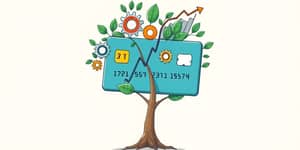
In an age when market valuations often dwarf traditional assets, intangibles have emerged as silent powerhouses. Every logo, patent, or customer relationship contains hidden potential that can be harnessed for credit, funding, and strategic advantage. Recognizing these assets as more than mere accounting entries transforms them into critical tools for growth.
By exploring definitions, classifications, and real-world applications, this article unveils how intangible credit assets enable financing beyond conventional collateral, inspiring businesses to unlock value hidden in plain sight.
Understanding Intangible Assets
Under IFRS (IAS 38) and US GAAP (ASC 350/805), intangible assets are identifiable, non-monetary items without physical substance that generate future economic benefits. They include patents, trademarks, copyrights, software, brands, and goodwill—each expected to yield revenue or cost savings over multiple years.
Classification hinges on separability or contractual/legal rights. Identifiable intangibles are amortized over their useful lives, while indefinite-life assets undergo annual impairment testing for goodwill. Internally generated assets often go unrecorded due to measurement challenges, even though they underpin brand equity and customer loyalty.
Types of Intangible Assets
Intangible assets span diverse categories, each offering unique benefits and risks. The table below summarizes major classes with real-world examples:
This classification underscores how identified or unidentifiable intangible assets collectively shape a company’s market value, often surpassing tangible assets like equipment or real estate.
The Role of Intangibles in Credit and Financing
When leveraged as non-monetary long-term assets, intangibles serve as potent collateral for loans, enabling companies—from startups to multinationals—to access funding otherwise unavailable. Innovators often use patent portfolios or software licenses to secure venture debt, while established brands pledge trademarks to support expansion.
- Credit Access: IP finance through loans and credit lines secured by patents or copyrights;
- Equity Financing: Enhanced valuations attract investors by quantifying brand and customer relationships;
- Stock Market Quoting: Registered intangibles boost balance sheet strength for listings and public offerings.
In regions like Mexico, firms formally registering intangible assets have dramatically increased their “social capital,” allowing bids on government contracts, stock trades, and tax benefits through amortization.
Balance Sheet Treatment and Valuation Challenges
On the balance sheet, intangibles occupy the non-current assets section. Acquired rights are measured reliably at cost, whereas internally developed assets often remain undisclosed, creating a gap between book value and intrinsic worth.
Valuation demands complex specialized valuation methods, from discounted cash flow models to relief-from-royalty analyses. These techniques quantify future benefits but require robust assumptions about market trends, legal protections, and useful lives.
- Measurement Difficulties: Estimating fair value involves forecasting uncertain cash flows;
- Impairment Testing: Indefinite-life intangibles must be tested annually, with losses recorded if fair value falls below carrying amount;
- Tax Implications: Amortization of finite-life assets reduces taxable income, creating cash-flow advantages.
Real-World Impact and Strategic Value
Leading corporations exemplify how untouchable assets drive cash flows. LVMH’s iconic brands command premium prices; Safran’s patents secure long-term engine contracts; Disney’s characters generate perpetual licensing revenue. These intangibles underpin negotiating power with suppliers, support bids for large-scale projects, and create barriers to entry against competitors.
Statistical evidence highlights intangible dominance: by some measures, points to intangible assets accounting for over 80 percent of S&P 500 market capitalization. Businesses that fail to recognize this risk becoming undercapitalized despite owning valuable intellectual property.
- Luxury Goods: Brand heritage sustains margins above industry averages;
- Technology Firms: Software and patents underpin subscription revenues;
- Entertainment Companies: Content libraries drive streaming and merchandising.
These success stories illustrate how treating intangible assets as credit enhancers transforms corporate strategy, enabling higher leverage, faster growth, and more resilient financial profiles.
In conclusion, intangible assets have transcended their historical role as mere accounting entries. When properly identified, measured, and utilized as collateral, they unlock access to credit and financing otherwise unattainable. By embracing intangible assets as credit assets, companies can amplify their balance sheet, optimize tax positions, and secure robust funding channels. The challenge lies not only in recognizing these hidden powers but also in adopting rigorous valuation and reporting practices that capture their true economic contribution.
As markets continue to evolve, the ability to harness a company’s untapped intangible equity will distinguish industry leaders from followers. Now more than ever, it is time to look beyond bricks and mortar and appreciate the invisible currents that drive modern corporate value.
References
- https://corporatefinanceinstitute.com/resources/accounting/intangible-assets/
- https://www.diamond-hill.com/insights/a-239/articles/untouchable-value-the-importance-of-intangible-assets/
- https://en.wikipedia.org/wiki/Intangible_asset
- https://www.ggi.com/news/ggi/intangible-assets-definition-and-examples
- https://www.accountingcoach.com/blog/intangible-asset
- https://www.obsbusiness.school/en/blog/what-key-role-intangible-assets-company-cp
- https://dart.deloitte.com/USDART/home/codification/broad-transactions/asc805-10/roadmap-business-combinations/chapter-4-recognizing-measuring-identifiable-assets/4-10-intangible-assets
- https://www.accountingtools.com/articles/what-are-examples-of-intangible-assets.html
- https://www.patriotsoftware.com/blog/accounting/accounting-for-intangible-assets-amortization-useful-life/
- https://content.one.lumenlearning.com/financialaccounting/chapter/goodwill-patents-and-other-intangible-assets/
- https://www.americanexpress.com/en-gb/business/trends-and-insights/articles/what-are-intangible-assets/
- https://www.businessnewsdaily.com/5532-intangible-assets.html
- https://courses.lumenlearning.com/tc3-accounting1/chapter/intangible-assets/
- https://www.mnp.ca/en/insights/directory/intangible-assets-more-valuable-than-you-think
- https://www.numeric.io/blog/what-are-intangible-assets-and-how-do-you-value-them